Auden: A Serif Font for Web Design
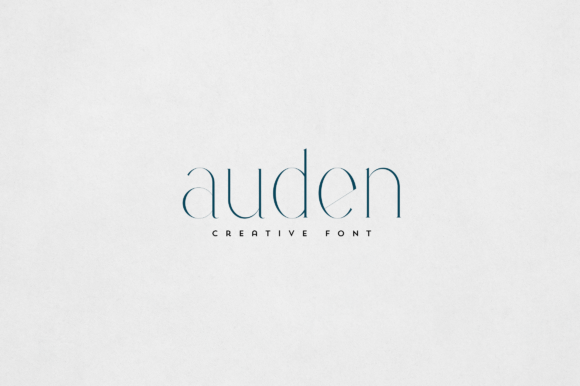
As a web designer, I'm always on the lookout for fonts that bring a fresh perspective to digital layouts. Recently, I had the chance to test Auden in a real website project, and it quickly became a favorite. This elegant serif font has a unique personality that adds sophistication without overwhelming the design.
Testing Auden in a hero section of a boutique online store was the first step. The font's subtle serifs and balanced stroke contrast made it feel both modern and timeless. It stood out against a minimalist background, drawing attention to the main headline while maintaining a sense of calm and professionalism.
One of the things I appreciated about Auden is how it adapts to different contexts. In a coaching website, it worked well as a heading for service sections, offering a refined look that felt approachable. For a portfolio homepage, it added a touch of class to project titles, making each section feel more intentional.
When I checked Auden on mobile screens, I was pleased with its legibility. The font maintains clarity even at smaller sizes, which is crucial for responsive layouts. On a product landing page, it performed well over an image banner, where the contrast between the text and background was just right.
Readability is key in web design, and Auden delivers. Whether used in call-to-action buttons or short phrases, it doesn't sacrifice clarity for style. On dark backgrounds, it remains sharp, and on light ones, it feels clean and easy to scan. This makes it ideal for fast-loading visual content where every pixel counts.
Auden also excels in brand identity projects. As part of a digital brand kit, it helped create a cohesive look across multiple touchpoints. From social media graphics to email templates, the font brought consistency without being repetitive. Its versatility made it a go-to choice for both headings and supporting typography.
When considering font pairing, Auden pairs well with sans serif fonts for body copy. This combination creates a nice balance between decorative elements and readability. For editorial designs, it can stand alone as a display font, adding a premium feel to headlines and subheadings.
I found that Auden works best as a display font rather than a body font. Its intricate details make it less suitable for long paragraphs, but it shines in headlines, logos, and decorative accents. For a creative portfolio, using it in a logo or section title gives the site a polished, professional edge.
Another aspect I considered was multilingual support. Auden includes a range of characters, making it suitable for international websites. This is especially useful for online stores targeting global audiences or blogs covering diverse topics.
Before implementing Auden on any project, I always check the available styles and webfont formats. The font comes in multiple weights, allowing for flexibility in design. Whether it's a bold headline or a lighter subheading, there's a version that fits the need.
Commercial licensing is another important factor. Auden's license allows for use on websites, client projects, and digital templates, which is essential for designers working on multiple platforms. This ensures that the font can be integrated seamlessly into various digital assets.
Overall, Auden is a strong choice for web designers looking to elevate their typography. Its elegant structure and versatile application make it suitable for a wide range of projects. Whether it's a small business website or a course sales page, Auden adds a touch of sophistication that enhances the overall user experience.
As I continue to explore new fonts, Auden remains a top recommendation for its ability to blend style with functionality. It's a font that not only looks good but also performs well in real-world digital environments.
For anyone looking to add a premium feel to their website, Auden is worth considering. Its clean lines and refined appearance make it a valuable addition to any design toolkit.